Net credit sales is the revenue generated when a firm sells its goods or services on credit on a given day – the product is sold, but the money will be paid later. To keep track of the cash flow (movement of money), this has to be recorded in the accounting books (bookkeeping is an integral part of healthy business activity). This legal claim that the customers will pay for the product, is called accounts receivables, and related factor describing its efficiency is called the receivables turnover ratio.
From 8hrs a Day to 2hrs a Day: How Matt Passed the CPA Exams
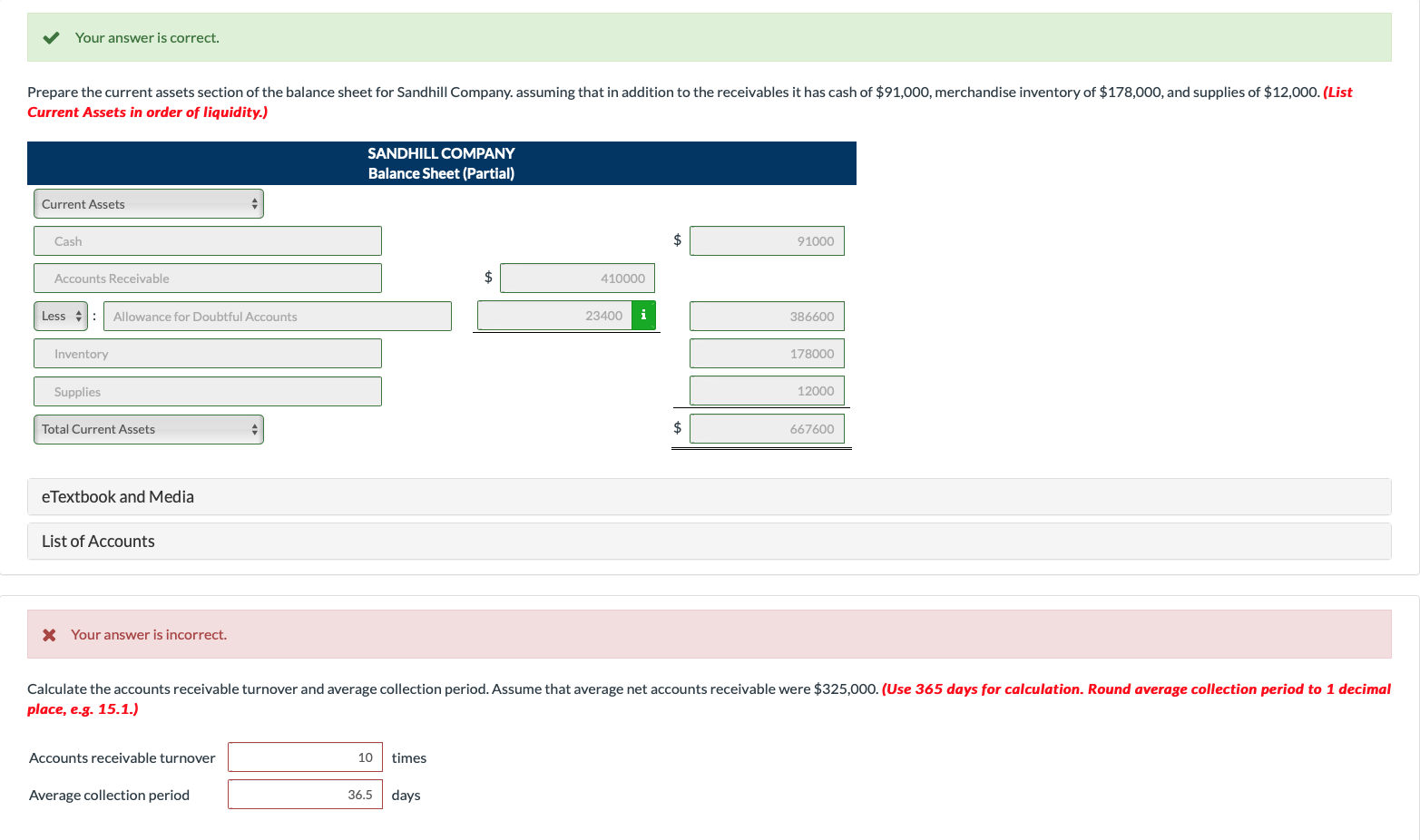
In business, that outstanding money is called accounts receivable, and managing it effectively is the key to healthy cash flow. This isn’t just about chasing late payments; it’s about understanding exactly what money you’re owed and when you can expect it. average net receivables is the multi-period average of accounts receivable ending balances, netted against the average allowance for doubtful accounts for the same periods. The concept is used in a number of liquidity ratios (especially the accounts receivable turnover ratio). It is intended to smooth out any unusual spikes or drops in the ending receivables balance in the current period.
What Affects the Accounts Receivable Turnover Ratio?
- To keep track of the cash flow (movement of money), this has to be recorded in the accounting books (bookkeeping is an integral part of healthy business activity).
- In the long run, you can compare your average collection period with other businesses in the same field to observe your financial metrics and use them as a performance benchmark.
- This estimate is subtracted from the gross amount of outstanding accounts receivable.
- It helps you forecast how much cash flow you can expect in the future based on sales you made today.
- This ratio measures a company’s effectiveness in extending credit and collecting debts from its customers.
- So, in this line of work, it’s best to bill customers at suitable intervals while keeping an eye on average sales.
Let’s face it, accounts receivable management can be such a drag when trying to pursue it manually across several platforms. That’s where Synder comes in, helping automate and simplify your accounts receivable processes. The aging schedule may calculate the uncollectible receivables by applying various default rates to each outstanding date range. Companies use net receivables to measure the effectiveness of their collections process. They also utilize it when making forecasts to project anticipated cash inflows. Conversely, a well-managed AR showcases a business that’s adept at balancing customer relationships with robust financial health.
Formula and Calculation of the Receivables Turnover Ratio
NAR helps you project how much cash is coming in and out, when you’ll have it on hand to pay wages, rent, and inventory – and other obligations. Accounts closing is the amount of outstanding receivables at the end of the day. Accounts opening is the amount of outstanding receivables at the start of the day. Make a habit of consistently recording any changes, which ensures the balance sheet remains a reliable tool for internal assessments or external presentations.
Step 5: Use the Average to Calculate Efficiency Ratios
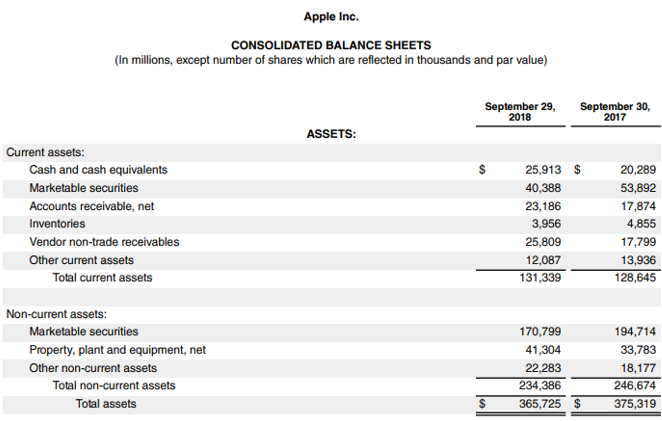
Net credit sales also incorporates sales discounts or returns from customers and is calculated as gross credit sales less these residual reductions. Think of it as a realistic view of what your accounts receivable figure will actually turn into in cash once all customer payments are processed. Subtracting the allowance amount from the total accounts receivable shows a more realistic picture of the money the company actually expects to collect—the net accounts receivable. This helps avoid overestimating their available cash and ensures the balance sheet reflects a more accurate financial picture. Accounts Receivable is the total amount of money owed to your business by your customers from sales on account.
First, let’s provide a brief overview of the significance of this financial figure. Conversely, a low AR might seem positive, but if it’s combined with declining sales, there’s a bigger issue at hand. These are the most common AR formulas you’ll need to know how to use in your business. Also, a specific identification method may be used in which each debt is individually evaluated regarding the likelihood of being collected.
The net receivables figure is not entirely accurate, since it includes an estimate of possible bad debts – which may turn out to be different from the estimate. This means that Primo collects nearly their entire AR balance at least eight times per year and that it is taking about one-and-a-half months or about 45 days after a sale is made to collect the cash. Not only is this important information for creditors, but it also helps the business more accurately plan its cash flow needs. It also allows the business to examine whether or not their credit policies are too restrictive or too generous. The receivables turnover ratio calculator is a simple tool that helps you calculate the accounts receivable turnover ratio.
As such, the beginning and ending values selected when calculating the average accounts receivable should be carefully chosen to accurately reflect the company’s performance. Investors could take an average of accounts receivable from each month during a 12-month period to help smooth out any seasonal gaps. Continuously monitoring average accounts receivable and related ratios allows you to measure progress. Over time, an optimized approach can significantly improve working capital management.